
Identify your stone
Most people don't know what their counter is.
That's not on you. The builder said "granite." The listing said "quartz." The fabricator's paperwork is in a box somewhere. And two of the four stones in this house look almost identical and need opposite care. Here's how to find out for sure, in the order that actually works.
Start with the paper
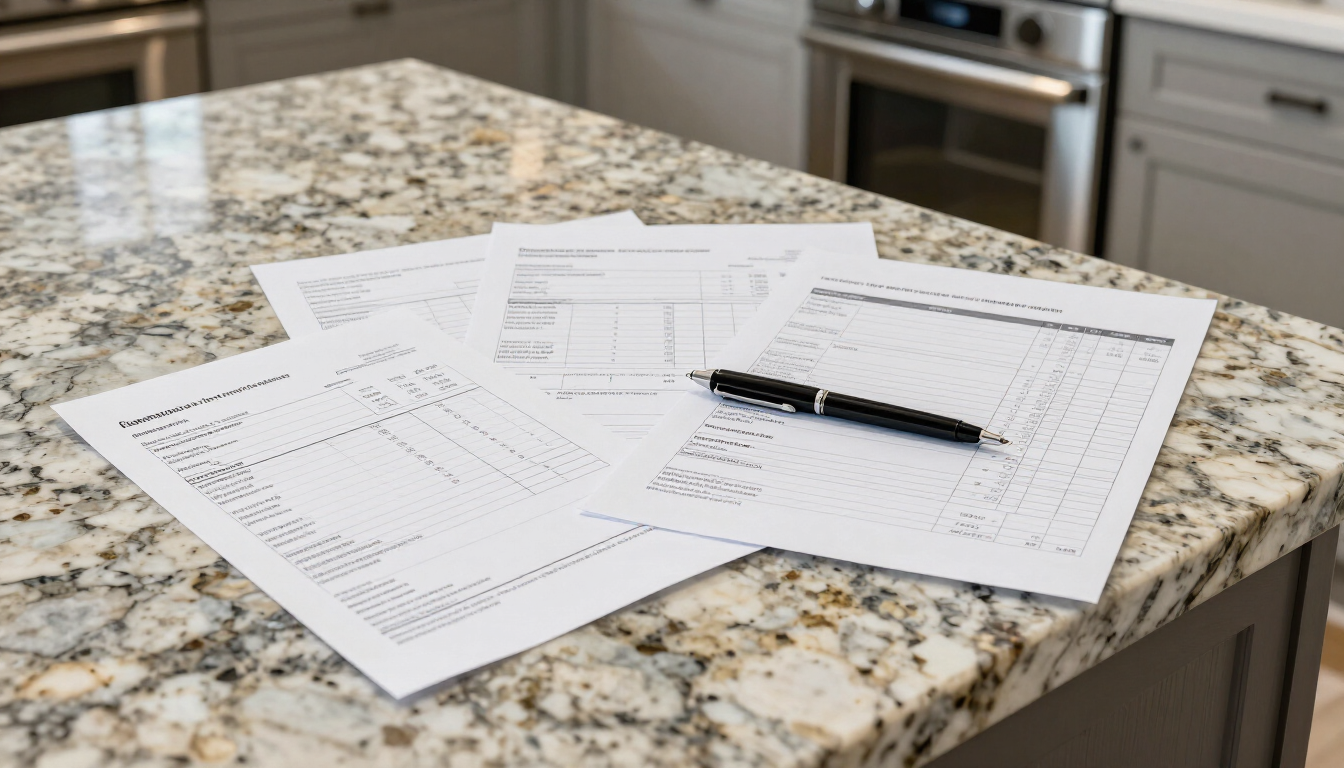
If you have a fabricator invoice, a builder spec sheet, or a slab tag, the stone name is on it. That's your answer, with one exception: "quartzite" on paper isn't always quartzite in the kitchen. More on that below.
No paper? Your builder or the fabricator who cut the slab will usually know from the address. Ask before you do anything else.
Did you know? "Granite" is what a lot of people call any natural stone counter, the way "Kleenex" means tissue. Plenty of "granite" tops are marble or quartzite. The name on the paperwork is the only one that counts.
The four, side by side
These are the only four stones we work on, and the only four you're likely to have if the house was built or remodeled in the last couple of decades.
Marble
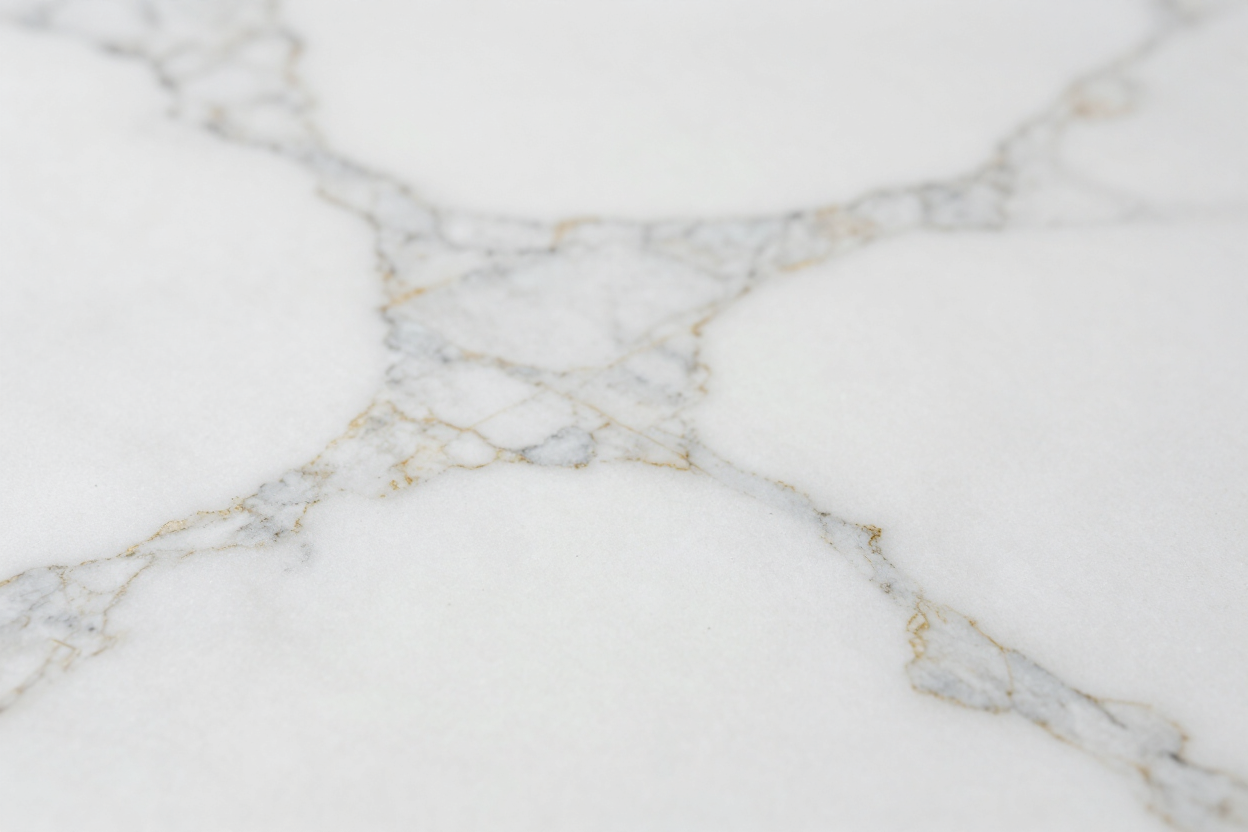
Soft veins that wander. A glow to the surface. Feels smooth and slightly cool.
Natural stone, made of calcium. Every slab is different and no pattern repeats. The giveaway is what happens when acid touches it: it dulls on contact. If your counter has faint rings where glasses sat, you almost certainly have marble.
Granite
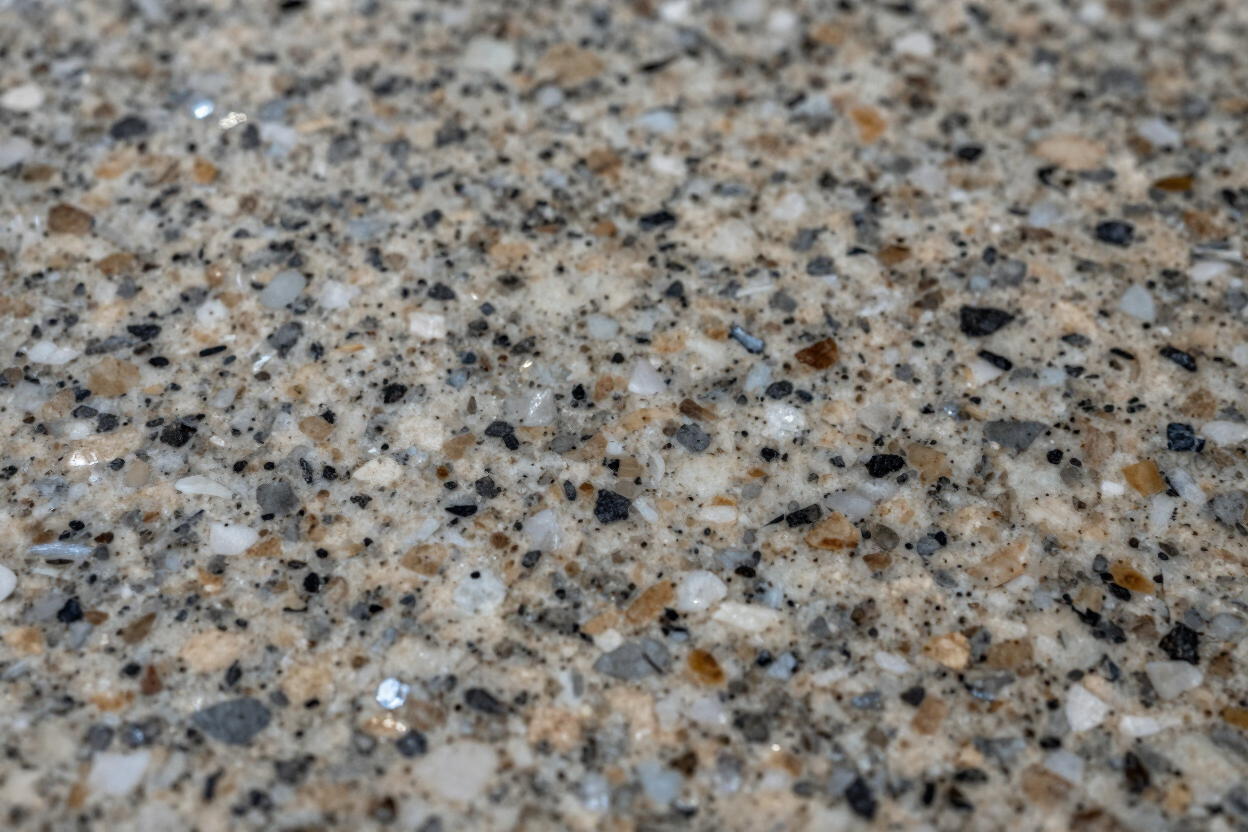
Speckles, flecks, crystals. Busy. Sometimes swirled, sometimes uniform.
Natural stone, hard and dense. Patterns are random and never repeat, and you can usually see individual mineral grains up close. Acid doesn't dull it. Oil and grease are what get into it if it's unsealed.
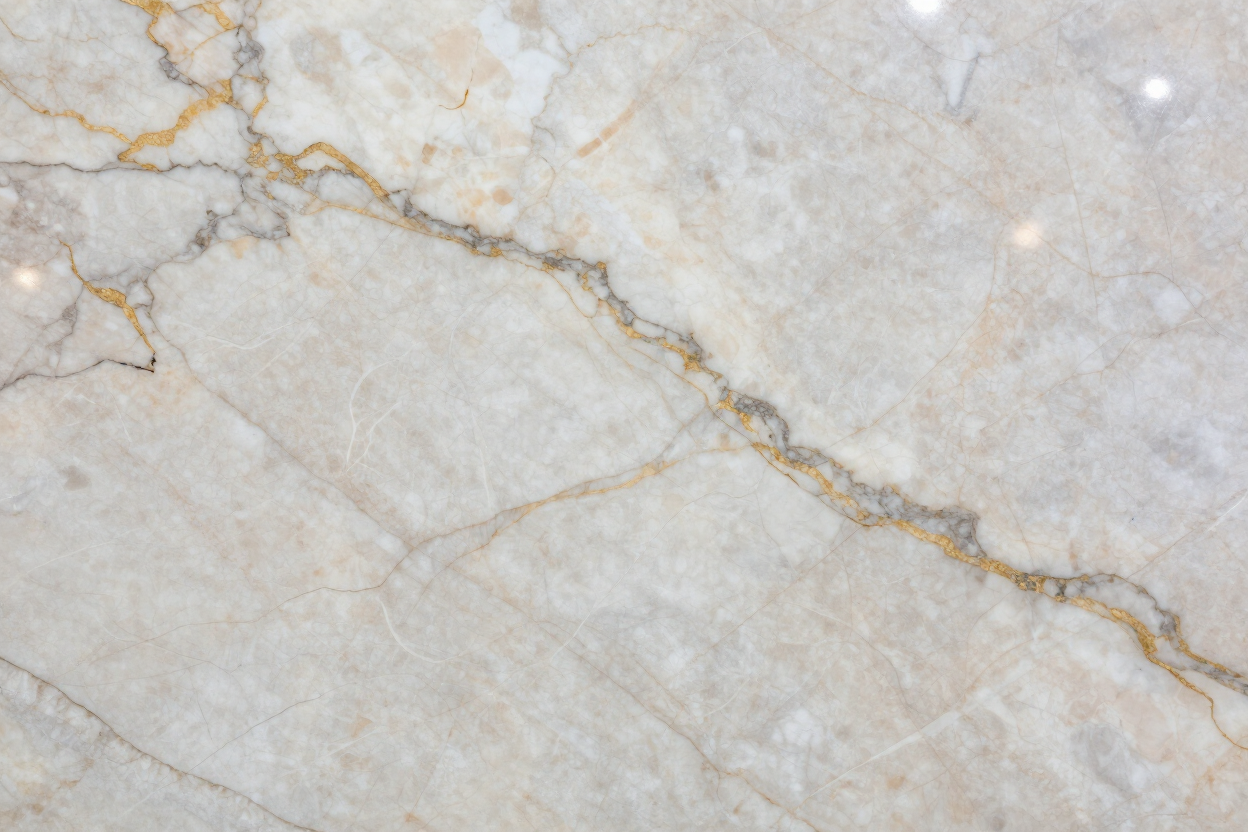
Quartzite
Looks like marble, sold as being as tough as granite.
Natural stone. True quartzite is harder than granite and doesn't etch. The problem is that a lot of stone sold as quartzite is a marble-family stone with the same look, and it etches like marble. Same paperwork, opposite behavior. The lemon test below tells you which one you actually have.
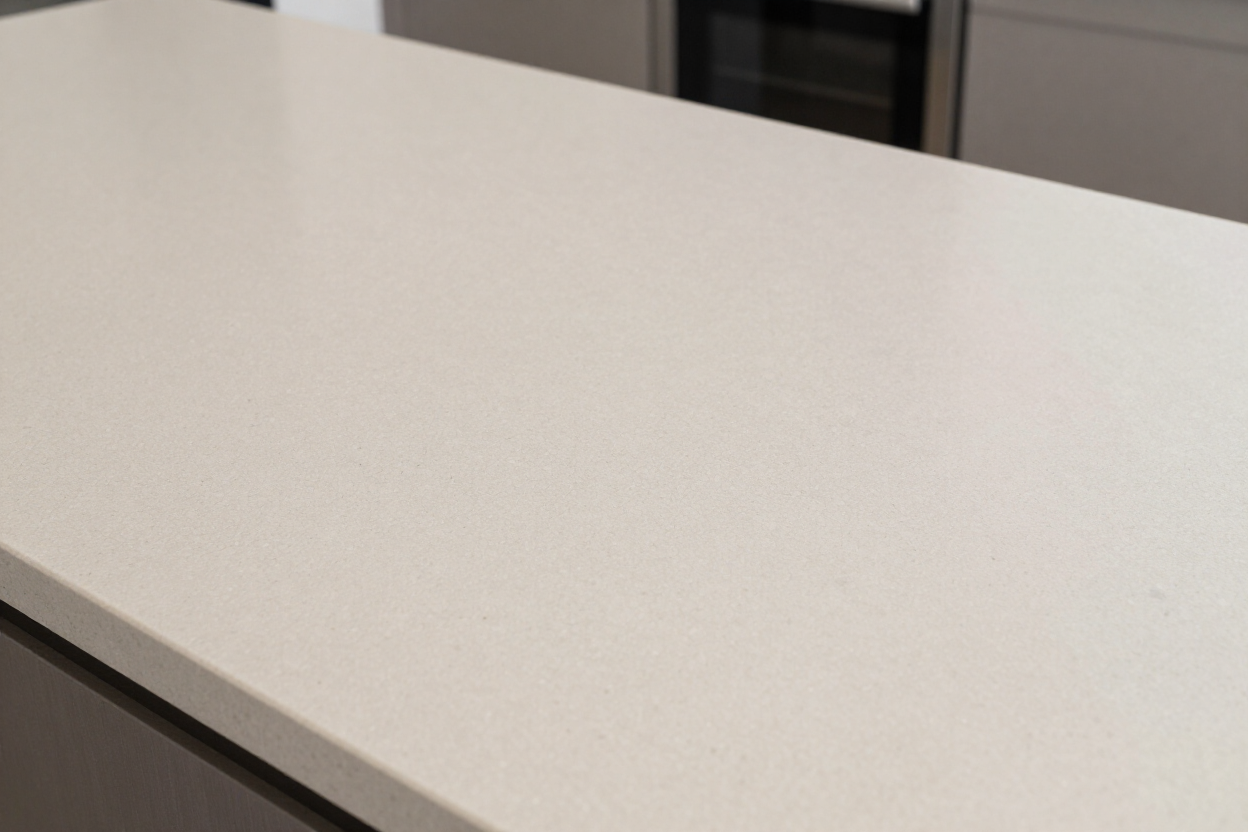
Quartz (engineered)
Even, consistent, almost too perfect. Pattern repeats if you look for it.
Not a stone. Crushed stone bound in resin, made in a factory. The pattern is designed, so it repeats across the slab, and the color is uniform edge to edge. It never needs sealing. Its weak spot is the resin: heat and harsh chemicals mark it.
Did you know? Quartz and quartzite are not the same thing, not a variation of each other, and not cared for the same way. One is a factory product with resin in it. The other is a rock. They share a mineral and nothing else that matters.
Three checks you can do right now
In this order. Stop when you have your answer.
1. The pattern check
Take a photo of one spot on your counter. Walk to the other end and look for that exact pattern again. If you find it, the pattern was printed by a machine and you have quartz. Natural stone never repeats. This one takes a minute and settles quartz vs. everything else.
2. The look-close check
Get your eyes a few inches from the surface in good light. Speckles, flecks, and visible crystal grains mean granite. Soft veining with a smooth, cloudy background means marble or quartzite. If the pattern check already said quartz, skip this one.
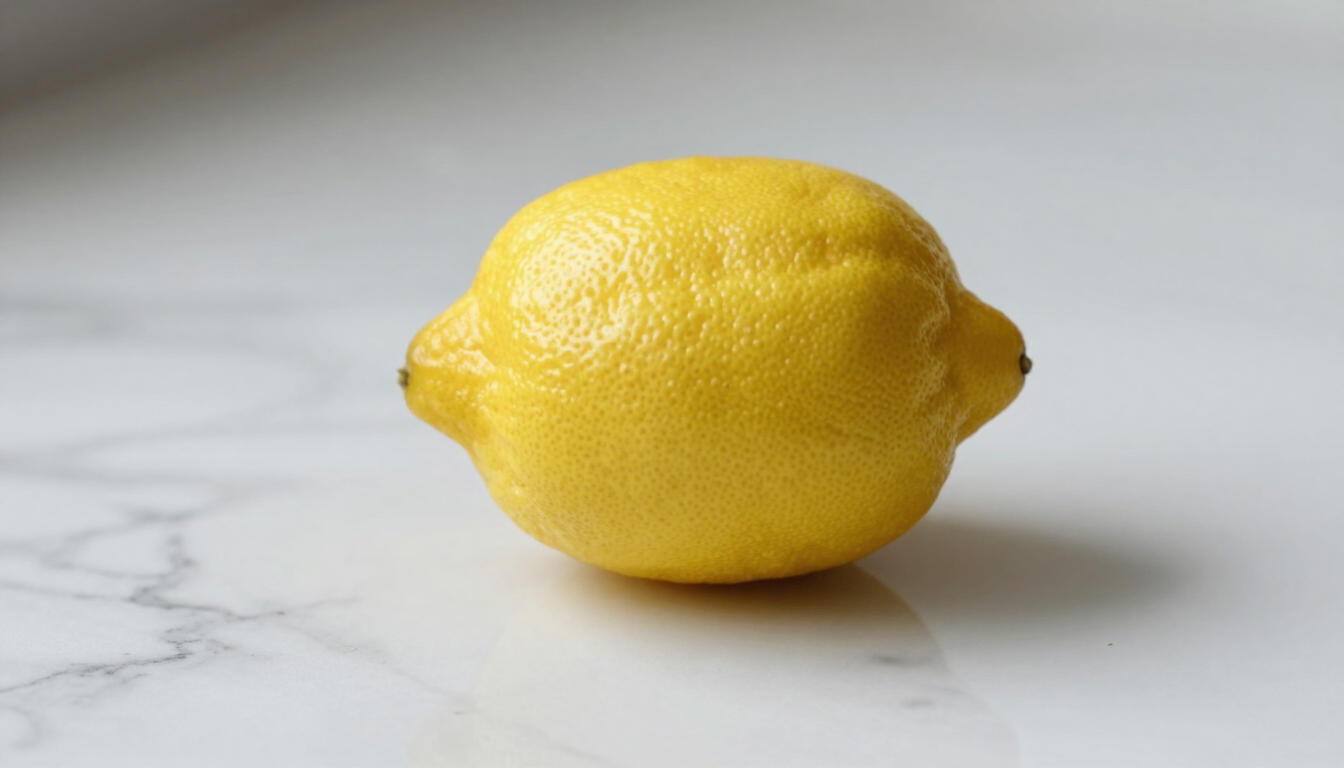
3. The lemon test
This is the one that separates marble from true quartzite, and it's the only test that costs you anything, so do it where it can't be seen: under the lip of an overhang, behind the faucet, inside a cabinet cutout. One drop of lemon juice. Wait a few minutes. Rinse and dry.
If that spot went dull, lighter, or cloudy, the stone is calcium-based. You have marble, whatever the paperwork says. If nothing changed, you have true quartzite or granite. Don't do this on the open counter. The dull spot is permanent until it's re-polished.
Did you know? The lemon test is the same reaction as a wine ring, a splash of vinegar, or a squeeze of lime at the counter. It's not a trick. It's what happens to marble every day in a kitchen.
Why it matters this much
Every care decision depends on the answer. Sealer on quartz leaves a haze that has to be stripped. Acidic cleaner on marble etches the whole top. Treating a marble-family "quartzite" like true quartzite means rings and splash marks that were never supposed to happen. And every product on the store shelf that says "safe for stone" is safe for some stone. Knowing which one you have is the whole game.
Still not sure? Send a photo.
A clear shot of the surface in daylight, plus one of an edge. We'll tell you what it is, no charge, and what we see in it.